Creditor Rights Attorney: Roles & Hiring Check
If you've got an unpaid invoice sitting too long, a foreclosure notice in the mail, or a lawsuit you didn't expect, you're probably asking the same practical question many California families and business owners ask at the kitchen table, do I need a lawyer now, or can this wait? A creditor rights attorney is the lawyer people call when money is owed, documents matter, and the next move can change what gets recovered, what gets protected, and how much ground still exists under California law.
Table of Contents
- When Most People First Meet a Creditor Rights Attorney
- What a Creditor Rights Attorney Actually Does
- Two Sides of the Same Case
- Common California Procedures and Their Timelines
- Defenses, Remedies, and Practical Limits
- Cost, Fees, and a Hiring Checklist
- Next Steps and How to Get Help Today
When Most People First Meet a Creditor Rights Attorney
A lot of people meet this part of the law during a stressful week, not after a careful search. A small business in Orange County sends three reminders on a commercial invoice, then realizes the customer isn't paying and the paperwork matters more than the phone calls. A landlord in Los Angeles sees rent stop, then starts wondering whether the path is a lawsuit, an eviction issue, or something tied to a lien or judgment.
The moment the problem becomes legal
For a family, the first sign may be a lawsuit packet, a notice of intent to foreclose, or a post-judgment paper that looks dense and urgent. For a lender, trade creditor, or landlord, the first concern is often simpler, how do we recover without wasting time or losing priority? In California, timing and documentation can change the answer before anyone steps into court.
The field is larger than many people assume. The National Creditors Bar Association reports more than 3,000 attorneys across 594 law firms and creditors-rights practices in 50 states, Canada, and Puerto Rico. Its membership profile also shows that 95%+ of member firms are small businesses under SBA standards, 52% have 25 employees or fewer, and 53% practice in multi-state jurisdictions, which says something important, this work is specialized, local in execution, and still national in reach. National Creditors Bar Association membership profile
Why readers usually search at this point
Most readers aren't searching because they want theory. They want to know whether the paper in hand means they're already behind, whether they can still negotiate, or whether a California procedure can stop the other side from moving too fast. That's especially true in Orange County and Los Angeles, where real property disputes, collections, and probate-related financial issues often overlap.
Practical rule: if the issue involves money, paper, and a deadline, the safest move is usually to get legal advice before you guess at the next step.
What a Creditor Rights Attorney Actually Does
A creditor is a person or company owed money. A creditor rights attorney is the lawyer who protects that right to payment from the point a debt goes unpaid through the point the money is recovered, the collateral is sold, or the claim is otherwise resolved under law.
A contractor carries a specialized toolbox. The tool changes depending on what the file shows, a clean contract, a secured loan, a lease, a judgment, or a debtor who may have hidden assets.
The work starts with the documents
The first job is usually document review. That means checking the contract, the loan papers, the lease, the note, the security agreement, or the judgment to see whether the claim is secured or unsecured, and what remedies California law allows. Major firms describe the same core sequence, contract default analysis, collateral perfection, and insolvency remedies, with tools such as workouts, foreclosure, receivership, replevin, UCC sales, assignments for the benefit of creditors, and bankruptcy litigation. Stark & Stark on bankruptcy and creditor rights tools
The job is part strategy, part procedure
If the paper is strong and the collateral is properly perfected, the creditor may have more recovery options. If the documentation is weak or the collateral is losing value, counsel may need to move faster, file sooner, or shift from collection to post-judgment enforcement. That cause-and-effect point matters, because in real cases the legal remedy is often narrower than the client expected.
Sometimes the task is to push the file forward without overreaching. Sometimes it is to preserve collateral before value erodes. In larger insolvency matters, practices emphasize the U.S. Bankruptcy Code, the Uniform Commercial Code, receiverships, lender-liability defense, and priority disputes, because those rules control who gets paid first and how the asset gets sold. Norris McLaughlin on bankruptcy, creditors' rights, and financial restructuring
A good creditor-rights lawyer doesn't just chase money. The lawyer chooses the remedy that still makes sense after the paperwork, the collateral, and the calendar are checked.

A creditor rights attorney can also help before a dispute becomes a court fight. That may mean sending a demand, negotiating a forbearance arrangement, or advising on the quickest lawful path to protect the claim. When the file turns into litigation, the same lawyer may handle the lawsuit, judgment, and enforcement phase as one connected strategy.
Two Sides of the Same Case
The creditor's side and the consumer's side often start from the same event, a missed payment, but they're looking at different risks. A creditor wants lawful, documented recovery. A consumer wants to know what can be challenged, what must be paid, and what property or income may be protected under California law.
The creditor's perspective
From the creditor's point of view, the key questions are straightforward. Was there a contract, was the default clear, is the debt supported by the records, and is there a remedy that still makes business sense? If the debt is secured, the creditor may also care about collateral, lien priority, and how quickly the asset might lose value.
That is why collections work can't be treated like a generic demand letter exercise. The strategy changes depending on whether the creditor is dealing with a loan, a lease, a judgment, a commercial account, or a real property dispute. In California, those differences matter because enforcement tools are tied to the underlying paper and to the court procedure being used.
The consumer's perspective
From the consumer's side, the same procedure can create defenses. A person may have a statute-of-limitations argument, a service problem, a dispute about the amount claimed, or a collection-law issue under California and federal rules. The consumer may also have exemptions that protect certain income or property, which means the fact that money is owed doesn't automatically mean every asset is exposed.
The National Consumer Law Center reported in its 2014 debt-defense survey that 12 million adults had non-mortgage debts listed as past due on their credit reports and 77 million consumers had non-mortgage debts in collections. In that same survey, 98% of surveyed legal-aid organizations provided litigation services in debt cases, 84% filed affirmative claims against debt collectors, debt buyers, or creditors, and 79% brought claims under the FDCPA, showing how courtroom-heavy debt disputes had become by the mid-2010s. National Consumer Law Center debt defense survey
The same case can look completely different depending on which chair you're sitting in. A creditor sees recovery, a consumer sees defenses, exemptions, and limits.
Why the distinction matters in real life
A family worried about a wage garnishment needs different advice than a lender trying to preserve collateral. A landlord facing unpaid rent needs different guidance than a debtor facing collection after judgment. The law is the same, but the strategy changes completely based on whether the goal is to collect, resist, negotiate, or protect property.
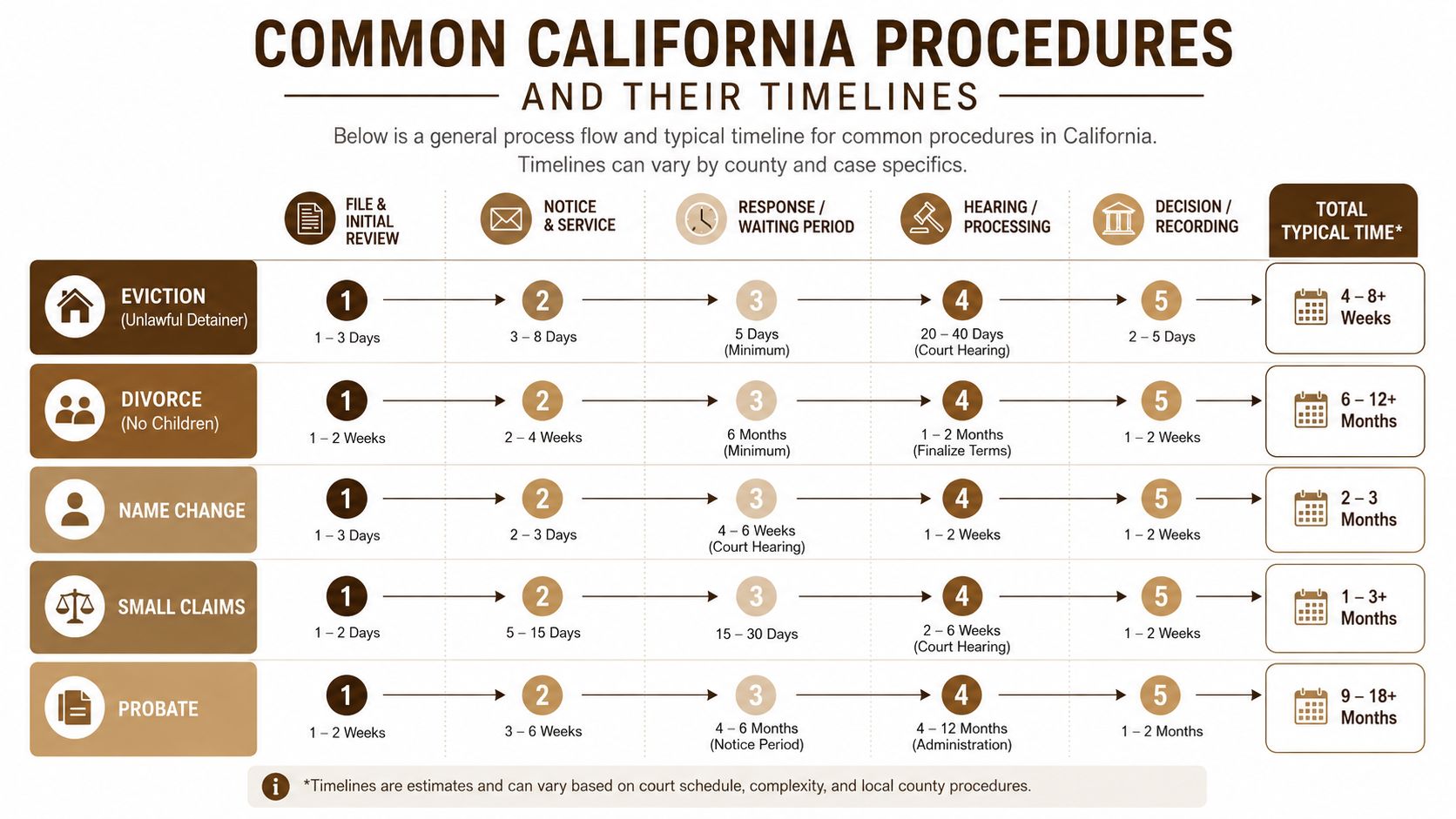
Common California Procedures and Their Timelines
California creditor-rights work often unfolds in stages, and the stage you're in controls the next move. Before suit, the focus is usually on notice, documentation, and negotiation. After suit, the focus shifts to judgment. After judgment, the focus becomes enforcement, and that's where many people first learn how much procedure matters.
From demand letter to judgment
Pre-suit collection usually begins with a demand, followed by a decision about whether filing in court makes sense. If the creditor sues and wins, the court enters a money judgment, which gives the creditor a formal enforcement tool. From there, the creditor may use California post-judgment procedures such as writs of execution, levy, garnishment, or an Order for Appearance and Examination.
In California debt collection practice, that examination order can require the judgment debtor to come to court and answer questions under oath about assets, debts, income, and other financial matters. California also allows third-party subpoenas to family members or friends if the debtor can't be located, which can help identify where the debtor is and whether collection is possible. California creditor-debtor FAQ on examinations and subpoenas
Foreclosure, HOA liens, and bankruptcy pressure
Real property changes the timetable fast. A creditor may be dealing with foreclosure on a mortgage interest, a lien, or an HOA assessment issue, and those matters often move on separate procedures from ordinary collection suits. Recent bar material in Florida flagged post-judgment procedures, repossession, and HOA and condo association foreclosures as a growing area, which lines up with the practical reality that housing-related enforcement keeps expanding in many states, including California. Florida consumer-crisis program material on creditor-rights topics
When bankruptcy enters the picture, the rules change again. A creditor is not required to attend the creditors' meeting, and the creditor's rights are not affected by choosing not to appear. An individual creditor may represent themself, but a corporation or partnership cannot appear without an attorney. U.S. Bankruptcy Court creditor rights and responsibilities
Why speed matters
In insolvency work, timing and procedure can decide whether a creditor recovers through a negotiated workout, a secured sale, or diluted distributions inside the estate. That's why experienced firms focus on the U.S. Bankruptcy Code, the Uniform Commercial Code, and receivership practice. The practical rule is simple, if the asset can lose value, waiting can cost recovery.
Defenses, Remedies, and Practical Limits
A California debtor usually wants one question answered first, what can be done now? The answer turns on the defect, the paper trail, and where the case stands. Some problems are procedural, some are factual, and some are legal from the start.
Common defenses lawyers check first
Improper service is a big one. If the person was never served correctly, the court may never have gained valid jurisdiction over them. An expired statute of limitations is another common issue, because an old debt may still show up in a collector's records but no longer be enforceable in the same way.
Lawyers also look for the wrong amount, an unsupported balance, identity theft, or a debt that belongs to someone else. In consumer matters, violations of collection laws can matter just as much as the debt itself. That includes California's own debt-collection framework and the conduct rules that require lawyers to follow federal, state, and local law and to use best efforts to collect only amounts supported by documentation and law. NCBA code of conduct
Remedies once a problem is found
If the paper is wrong, a debtor may be able to ask the court to set aside the judgment or press for a different result through negotiation. If the judgment is valid but collection would cause hardship, exemptions may protect wages or property. If the balance is real but the timing is bad, a structured payment plan can keep the matter from turning into harsher enforcement.
Practical rule: do not assume a judgment means every asset is available. California exemption law can narrow what a creditor may reach.
The same point matters on the creditor side. If the debtor moves assets, hides income, or refuses to answer post-judgment questions, the creditor may use California tools like an examination order or third-party subpoenas to find assets and test whether payment is possible. The debtor can also use those same tools defensively, by checking whether the creditor's claimed debt is supported, whether the information sought is overbroad, and whether the request fits the judgment and the collection rules. In that sense, the remedy is often a process, not a single form.
What matters most is that both sides have a structured playbook. The creditor is not powerless, and the debtor is not helpless either. California procedure gives each side real tools, and better paperwork usually means a more predictable result.
Cost, Fees, and a Hiring Checklist
Money is usually the second question people ask, right after “Do I have a case?” In California creditor-rights and consumer-debt matters, the fee structure depends on the task, the risk, and whether the lawyer is enforcing a claim or defending one.
How lawyers commonly charge
Hourly billing is common for defense and litigation, especially when the facts are disputed or the matter may go to court. Flat fees are also common for specific jobs, like responding to a lawsuit or preparing a targeted filing. Contingency arrangements can appear in some collection cases where recovery is uncertain but the claim is strong.
Statutory cost-shifting can also matter. In some cases, the prevailing party may recover filing fees and certain other costs, which changes the practical budget even if the lawyer's fee itself is billed separately. For families and small businesses, that means the total financial exposure isn't just the retainer, it's the lawsuit posture, the likely motion practice, and whether the file can resolve early.
A hiring checklist that keeps the focus on the case
- Check California licensure: Make sure the lawyer is in good standing with the State Bar of California.
- Match the courthouse: Ask about experience in Orange, Los Angeles, Riverside, and San Bernardino courts, because local practice habits matter.
- Get the fee terms in writing: The agreement should explain what's included, what costs are separate, and when the bill changes.
- Clarify communication: Decide who answers questions, how quickly, and whether you'll speak with the attorney or only staff.
- Define the scope: The lawyer should state whether the work covers demand letters, lawsuits, post-judgment enforcement, or settlement only.
If a lawyer can't explain those basics in plain English, keep looking. A good creditor-rights lawyer should be able to describe the options without hiding behind jargon.
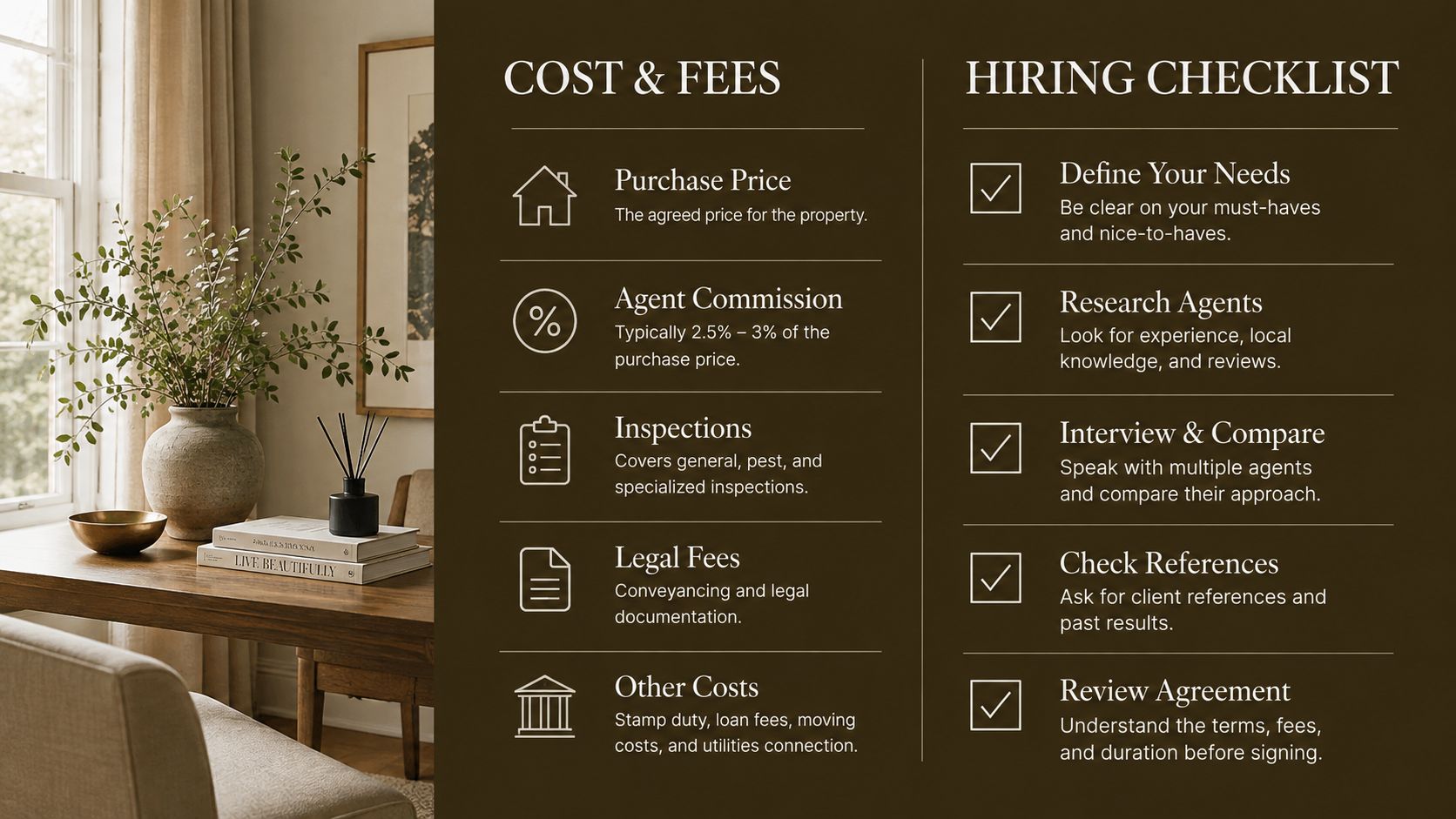
The best hiring decision isn't about choosing the flashiest office. It's about choosing the lawyer who knows the procedure, understands the county, and can tell you what happens next without guessing.
Next Steps and How to Get Help Today
If you're deciding what to do next, start with three questions. Do you need to act now, or can the file wait a short time while you gather documents? Do you need litigation, negotiation, or both? And does your problem involve real property, probate-related debt, consumer collections, or post-judgment enforcement in a California court?
A simple 30-day plan
In the next few days, gather the contract, the notices, the lawsuit papers, the judgment, the payment history, and any emails or letters tied to the debt. Then write down the dates you received each document and any phone calls or settlement offers. If there's a property issue, bring deeds, payoff letters, lien notices, or HOA paperwork too.
If the matter is headed toward court or already there, don't wait to understand the deadline. If the paper is confusing, that usually means it's time to have a lawyer read it before a default, levy, or enforcement step closes off options.
Where help should start
For families and small businesses in Orange County and Los Angeles, the best first conversation is usually a focused one, what happened, what documents exist, and what California remedy fits the facts. A law office that handles real property, probate, consumer debt and collections, and civil defense matters can often spot whether the issue belongs in negotiation, litigation, or both.
If you're dealing with a creditor-rights issue in California, Tanner Law offers free initial consultations by phone or email from its office at 1913 E. 17th Street, Suite 212, Santa Ana, CA 92705. The firm provides direct attorney access from the first conversation through resolution, and it works with clients across OC, LA, RIV, and SB courts.
If you're facing a debt, lien, foreclosure, or judgment problem in California, Tanner Law can help you sort out the next move with clear advice and direct attorney attention. Visit Tanner Law to schedule a free consultation and talk through the facts before the deadline, the court step, or the collection effort moves any further.